Creatine is one of the most widely used supplements in the world. It is best known for improving strength, power output, and muscle recovery, which is why it is so closely associated with sports and fitness. Over the last decade, however, creatine has begun to attract attention for a very different reason. Researchers and nootropic users alike have started asking the same question: is creatine a nootropic?
The answer is not as simple as yes or no. Creatine is not a traditional nootropic in the way caffeine or modafinil is. It does not directly stimulate the nervous system or alter neurotransmitters in an obvious way. However, a growing body of research shows that creatine plays a meaningful role in brain energy metabolism, mental endurance, and cognitive performance under stress. For that reason, many experts now consider creatine a legitimate, if unconventional, nootropic.
This article breaks down what creatine is, how it affects the brain, what the research says about cognition, and whether it deserves a place among the best nootropics available.
What Is Creatine?
Creatine is a naturally occurring compound made in the body from the amino acids glycine, arginine, and methionine. It is stored primarily in skeletal muscle, but significant amounts are also found in the brain, heart, and other tissues with high energy demands.
In the diet, creatine is found mainly in animal products such as red meat and fish. Because of this, people who eat little or no animal protein tend to have lower baseline creatine levels.
Supplemental creatine is most commonly consumed as creatine monohydrate. This form has been studied extensively and has a strong safety and effectiveness record.
What Defines a Nootropic?
Nootropics are substances that support or enhance cognitive function. This can include improvements in memory, focus, learning ability, mental energy, or resistance to mental fatigue.
Importantly, a nootropic does not need to be a stimulant. Some nootropics work by calming the nervous system, others support neurotransmitter production, and some improve blood flow or protect brain cells from stress. What matters is whether a substance reliably supports cognitive performance or brain health.
By that definition, creatine qualifies even though it works very differently from most nootropics.
How Creatine Works in the Brain
Creatine’s role in cognition starts with energy. The brain consumes a large amount of energy relative to its size, and neurons are highly sensitive to even small drops in ATP, the molecule cells use for energy.
Creatine supports the phosphocreatine system, which helps regenerate ATP quickly during periods of high demand. This system is well known for its role in muscle contraction, but it is just as important in the brain.
Neurons rely on ATP to maintain electrical signaling, release neurotransmitters, and sustain attention. When energy availability drops, mental fatigue increases and cognitive performance declines. Creatine helps buffer against this by maintaining energy availability inside brain cells.
Rather than stimulating the brain, creatine helps it function more efficiently when demand is high.
Does Creatine Improve Cognitive Performance?
Research suggests that creatine can improve certain aspects of cognition, particularly when the brain is under stress or operating below optimal conditions.
Memory and Reasoning
Several studies have shown that creatine supplementation improves short-term memory and reasoning ability. These effects are most consistent in people with lower baseline creatine levels, such as vegetarians and vegans.
In these populations, creatine supplementation has been associated with improvements in working memory, recall, and performance on intelligence tests. This suggests that creatine is especially effective when it corrects an underlying energy limitation in the brain.
Mental Fatigue and Endurance
One of creatine’s most consistent cognitive benefits is its ability to reduce mental fatigue. Studies show that creatine can help preserve cognitive performance during prolonged or demanding mental tasks.
This effect is particularly noticeable during sleep deprivation, extended periods of concentration, or mentally exhausting workloads. Rather than boosting alertness, creatine helps prevent the drop in performance that normally occurs when mental energy is depleted.
For students, professionals, and shift workers, this kind of endurance support can be more valuable than short-term stimulation.
Creatine Under Stress and Sleep Deprivation
Creatine appears to be most effective when conditions are less than ideal. Research shows that it can help maintain cognitive performance during sleep deprivation and psychological stress.
In these situations, the brain’s energy demands increase while its ability to meet those demands decreases. Creatine helps bridge that gap by supporting ATP regeneration, which explains why its benefits are often subtle but reliable.
This also explains why some people report little effect from creatine during normal, well-rested days but notice a clear difference during periods of high stress or fatigue.
Is Creatine a Stimulant?
Creatine is not a stimulant. It does not increase heart rate, raise cortisol levels, or produce the jittery feeling associated with caffeine or other stimulants.
Because of this, creatine does not cause crashes or interfere with sleep. Its effects are steady and cumulative rather than immediate or dramatic.
This makes creatine appealing to people who want cognitive support without overstimulation or dependency, which makes it one of the most effective nootropics relative to potential side effects.
How Creatine Compares to Traditional Nootropics
Most nootropics work by influencing neurotransmitters such as dopamine, acetylcholine, or GABA. Creatine works at a more foundational level by supporting energy availability inside brain cells.
Because of this, creatine tends to:
-
Produce gradual, cumulative benefits
-
Work best with daily, consistent use
-
Support mental endurance rather than peak alertness
It is best viewed as a foundational nootropic, similar to omega-3 fatty acids or magnesium, rather than a performance enhancer that produces immediate effects.
Who Benefits Most From Creatine as a Nootropic?
Creatine is not equally noticeable for everyone. It tends to be most effective for people who place high demands on their brain or have lower baseline creatine levels.
Those most likely to benefit include:
-
Vegetarians and vegans
-
Students during intensive learning periods
-
People under chronic mental stress
-
Individuals experiencing frequent mental fatigue
-
Older adults with declining energy efficiency in the brain
-
People who are regularly sleep deprived
People who already consume large amounts of dietary creatine and experience low cognitive stress may notice subtler effects, but that does not mean creatine is not supporting brain function in the background.
How Long Does Creatine Take to Work for the Brain?
Creatine is not an acute nootropic. Most cognitive benefits appear after consistent supplementation for several weeks.
Studies showing improvements in memory or mental fatigue typically involve daily use over two to six weeks or longer. This reflects the time required to increase creatine concentrations in brain tissue.
Because of this, creatine should not be judged after a single dose. Its benefits come from sustained energy support, not immediate stimulation.
Is Creatine Safe for Cognitive Use?
Creatine is one of the most extensively researched supplements available. At standard doses of three to five grams per day, it is considered safe for long-term use in healthy individuals.
There is no evidence that creatine damages the brain, causes dependence, or disrupts neurotransmitter balance. In fact, creatine is being studied for potential neuroprotective effects in conditions such as traumatic brain injury, depression, and neurodegenerative disease.
As with any supplement, people with medical conditions should consult a healthcare professional, but for the general population, creatine has an excellent safety profile.
How to Use Creatine as a Nootropic
For cognitive purposes, creatine is typically taken once daily. Timing is not critical, and it can be taken with or without food.
There is no need for a loading phase when using creatine for brain benefits. Consistency matters far more than timing or dose manipulation.
Creatine also combines well with other nootropics, especially those that support focus, stress resilience, or long-term brain health.
Final Verdict: Is Creatine a Nootropic?
Yes, creatine can be considered a nootropic, even though it does not fit the traditional mold.
Rather than stimulating the brain or altering neurotransmitters directly, creatine supports the energetic foundation of cognitive function. This leads to improvements in mental endurance, memory, and resilience under stress, particularly when cognitive demands are high.
Creatine is not flashy, and it does not produce instant effects. What it offers instead is reliability, safety, and strong scientific backing.
For anyone interested in long-term cognitive performance without overstimulation, creatine deserves serious consideration as one of the most practical and underrated nootropics available today.
Looking For Something That Really Works?
See Our Current #1 Rated Cognitive Enhancer: Nooceptin
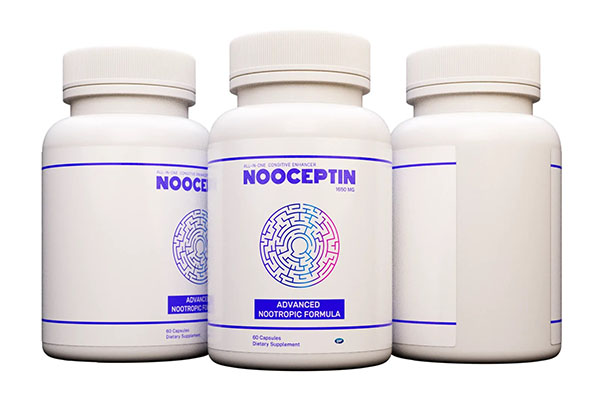
Nooceptin is our current top rated nootropic. We tried Nooceptin ourselves and found that it works exactly as advertised. Taken together, the ingredients rapidly increase focus, accelerate mental processing speeds, and enhance working memory.
Nooceptin is a truly comprehensive nootropic, providing both immediate and long-term benefits. It does not cause side effects and is considerably better value than other nootropic stacks on the market today.
Nooceptin has been found to effectively:
- ✔️ Boost Overall Cognitive Function
- ✔️ Improve Memory
- ✔️ Enable Better Communication
- ✔️ Enhance Concentration
- ✔️ Improve Multi-tasking
- ✔️ Boost Mental Energy
The really special thing about Nooceptin, however, is its long-term effects. When taken daily for prolonged periods, Nooceptin stimulates neuron growth and improves overall brain cell health. This means it enhances cognition in a deep, meaningful way that keeps giving you benefits after you stop using it.
Simply put, Nooceptin is the ideal brain supplement for people who need to mentally perform at 100% capacity for hours on end. At $69.99 per course, we think it's hard to find a more effective and cost-effective nootropic right now.

Brian Johnson is current Editor of Vagarights.com and a long-time writer for VAGA. A former psychologist, Brian is passionate about improving mental health and finding ways to stave off cognitive decline. He is an expert on nootropics, cognitive enhancement and biohacking more broadly. You can see his work on Google scholar.
Leave a Reply